
A few years ago, I noticed something shift in my conversations with buyers. Fewer questions about cords and fuel. More questions about batteries, platforms, and long-term supply. That’s when I knew lithium-ion cordless tools1 were no longer “next”—they were now.
Lithium-ion cordless power tools are becoming a core product category for distributors and brand owners. They offer mobility, cleaner operation, and scalable battery platforms, making them suitable for private labeling and long-term brand building across global markets in 2026.
If you’re thinking about sourcing and importing these tools for your business, this article is written exactly from that seat. Not as a technician, but as someone who understands business risk, market timing, and the pressure of getting the first step right.
Understanding the Growing Cordless Power Tools Market and Demand Trends
Before sourcing any product, I always ask one question: Why now? With cordless tools, the answer is clear.
The cordless power tools market is growing due to battery cost reduction, user demand for mobility, and expansion into DIY, professional, and garden segments. Demand is driven by lithium-ion platforms, cross-tool compatibility, and stricter emissions rules that favor electric tools over gas-powered options.
What I See Happening in Real Markets
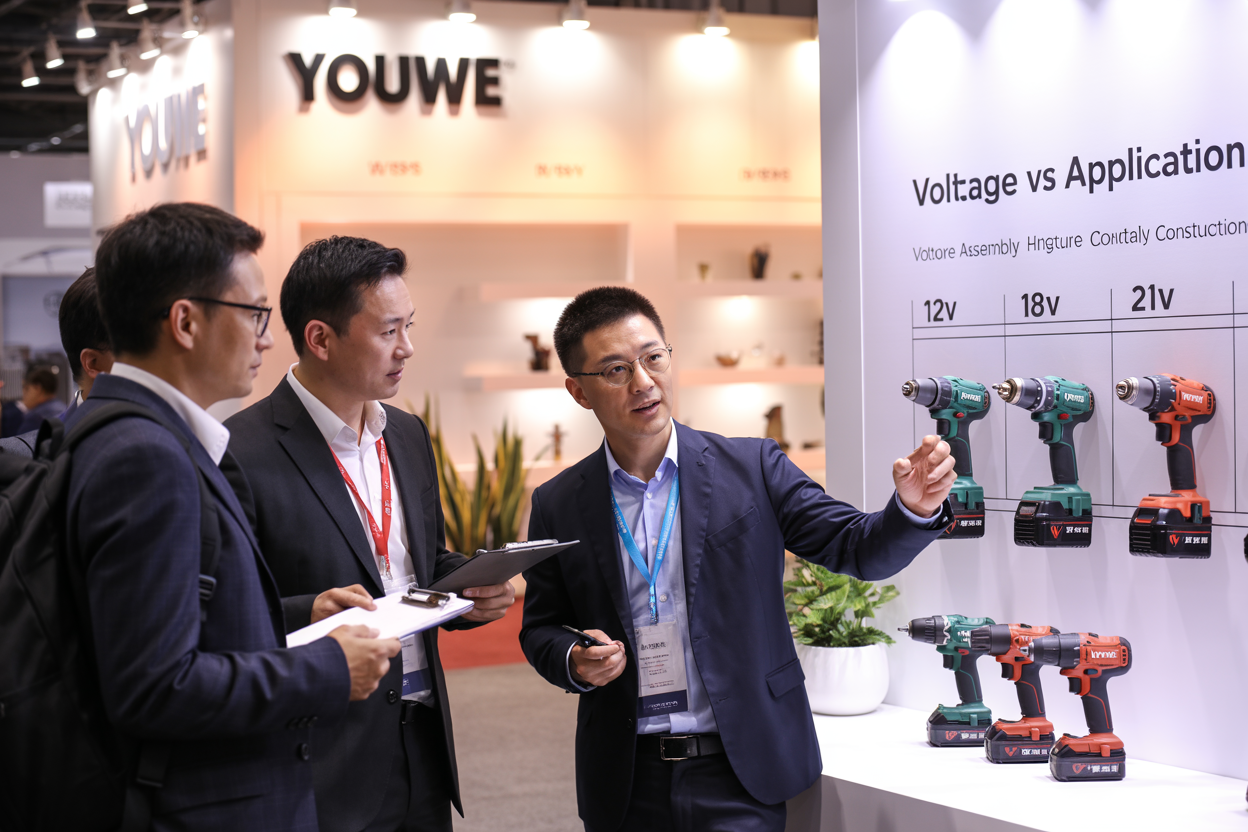
Across Europe and the Middle East, buyers are no longer testing cordless tools—they’re planning entire categories around them.
Here’s what’s driving that demand:
- Battery prices are more stable than five years ago
- Users expect cordless by default, even in professional work
- DIY culture2 is stronger, especially after remote-work years
- Gas tools face restrictions in more regions
- Retail prefers platform systems, not single products
What matters most for business buyers is platform thinking. A drill alone is hard to scale. A drill that shares batteries with impact drivers, hedge trimmers, and blowers? That’s a system.
| Demand Driver | Impact on Buyers |
|---|---|
| Lithium-ion maturity | Lower technical risk |
| Platform ecosystems | Higher repeat sales |
| Cord-free use | Wider customer base |
This is why many established trading companies are entering the category now—not chasing trends, but responding to real channel demand.
Key Factors Business Buyers Must Consider Before Entering the Market
Here’s where I see many smart businesses slow down—and rightly so. Cordless tools are attractive, but they’re not simple products.
Before entering the cordless power tools market, business buyers must evaluate battery platform stability, certification requirements, product roadmap, quality consistency, and after-sales risk. These factors directly affect compliance, brand reputation, and long-term supply reliability.
The Questions I Ask Before Any Launch
I’ve seen buyers rush in with a good-looking sample, only to struggle months later. Usually, the problem wasn’t sales—it was structure.
These are the core factors I always check:
-
Battery platform
Is it shared across tools? Is supply stable for 3–5 years? -
Certification readiness
CE, UKCA, IEC reports—real documents, not screenshots. -
Product roadmap
What comes next after the first SKU? -
Quality control process
Incoming inspection, aging tests, consistency. -
Support capability
Spare parts, manuals, troubleshooting.
| Factor | Why It Matters |
|---|---|
| Battery platform | Locks in repeat sales |
| Certification | Market access |
| Roadmap | Brand growth |
| QC system | Risk control |
This is where many buyers realize they don’t need more suppliers. They need one partner who understands the path.
How to Choose the Right Manufacturer or Supplier for OEM/ODM Partnerships
I’ll say this plainly: not every factory that makes cordless tools is a good OEM/ODM partner.
The right OEM/ODM manufacturer offers proven cordless products, stable battery systems, certification support, and clear communication. Business buyers should prioritize engineering experience, compliance knowledge, and long-term supply capability over low initial pricing.
What I Look for in a Real Partner
When I speak with buyers like Robert, they often tell me the same thing: “I don’t need the cheapest. I need the safest first step.”
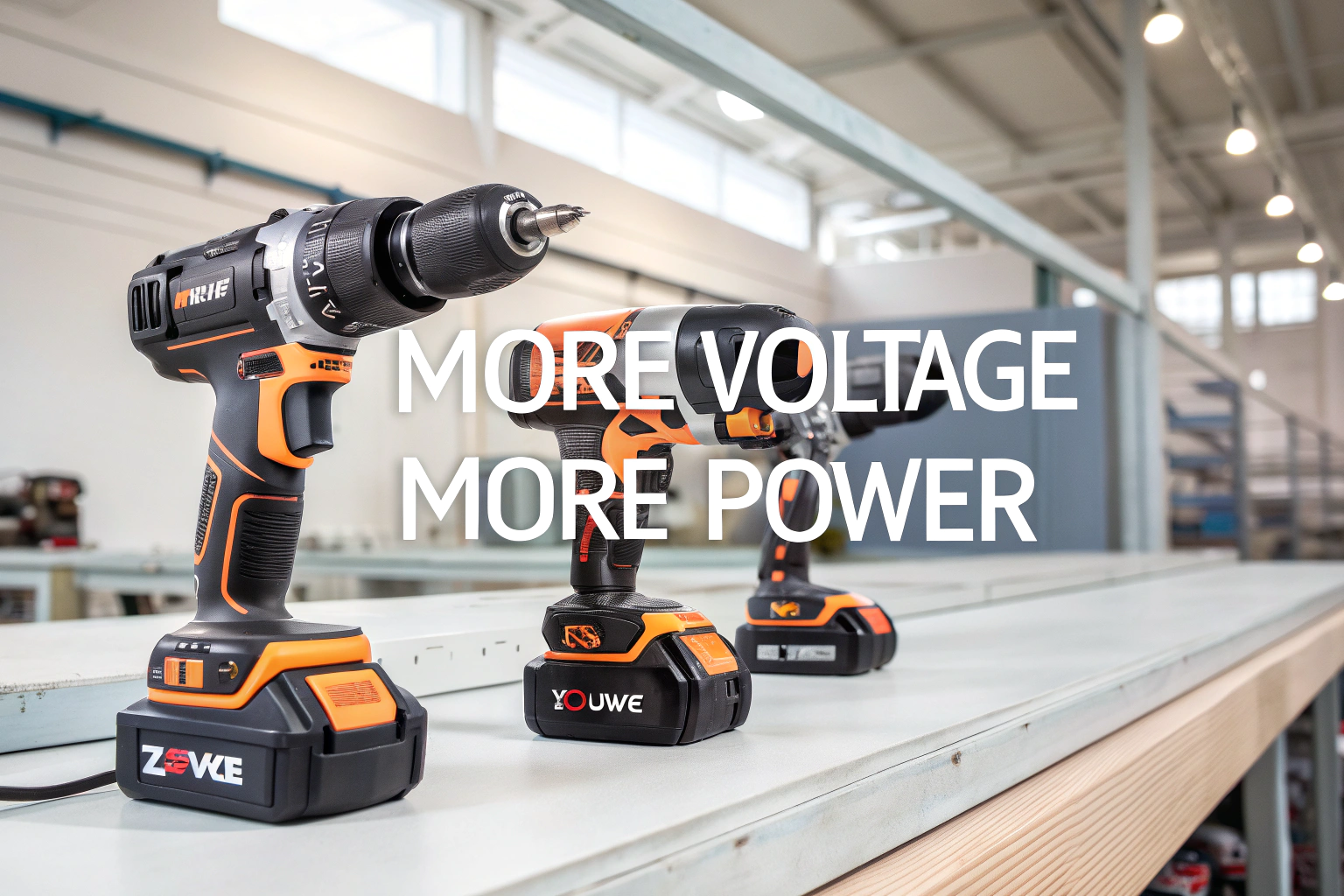
That’s exactly how we built YOUWE.
Here’s what separates a manufacturing partner from a simple supplier:
- Existing market-tested models3, not just prototypes
- A shared battery platform across tools
- Clear OEM/ODM process (logo, packaging, manuals)
- Real compliance experience for EU and Middle East
- Willingness to support phased market entry4
At YOUWE, we focus on helping business buyers enter the cordless market without feeling like they’re jumping blind. Our role isn’t to push volume—it’s to reduce uncertainty.
You can explore our approach here:
YOUWE OEM cordless tools
Avoiding Common Mistakes and Reducing Risk When Importing Cordless Tools
Some mistakes only show up after shipment. Others cost an entire selling season. I’ve seen both.
Common mistakes in importing cordless tools include relying on unverified certificates, launching too many SKUs at once, choosing unstable battery platforms, and underestimating after-sales support. Risk can be reduced through phased launches, supplier audits, and clear technical documentation.
The Hard Lessons I’ve Learned (and Try to Help Others Avoid)
Let me be honest. Most problems don’t come from bad intentions—they come from missing details.
Here are the most common ones:
- Trusting expired or fake certificates
- Launching too many models too fast
- Ignoring battery compatibility5
- Underestimating logistics timing6
- No plan for after-sales issues
A safer approach looks like this:
- Start with 1–2 core products
- Use an existing battery platform
- Verify certification with original labs
- Plan inventory around selling seasons
- Build support step by step
| Risk Area | Safer Approach |
|---|---|
| Certification | Third-party verification |
| Product scope | Phased launch |
| Supply | Long-term agreement |
| Market entry | Validation first |
This is exactly the process we guide our partners through at YOUWE—because entering a new category shouldn’t feel like gambling.
Conclusion
Sourcing and importing lithium-ion cordless power tools in 2026 is not about chasing trends. It’s about choosing the right moment, the right platform, and the right partner—so your first step feels steady, not risky.
-
Explore the advantages of lithium-ion cordless tools, including mobility and cleaner operation, to understand their market impact. ↩
-
Explore the impact of the growing DIY culture on the demand for cordless power tools. ↩
-
Understand the value of market-tested models in ensuring product viability and reducing launch risks. ↩
-
Learn about the benefits of phased market entry strategies to reduce risks when launching new products. ↩
-
Learn about the importance of battery compatibility in enhancing user experience and product versatility. ↩
-
Discover how logistics timing can impact the success of importing cordless tools and planning inventory. ↩