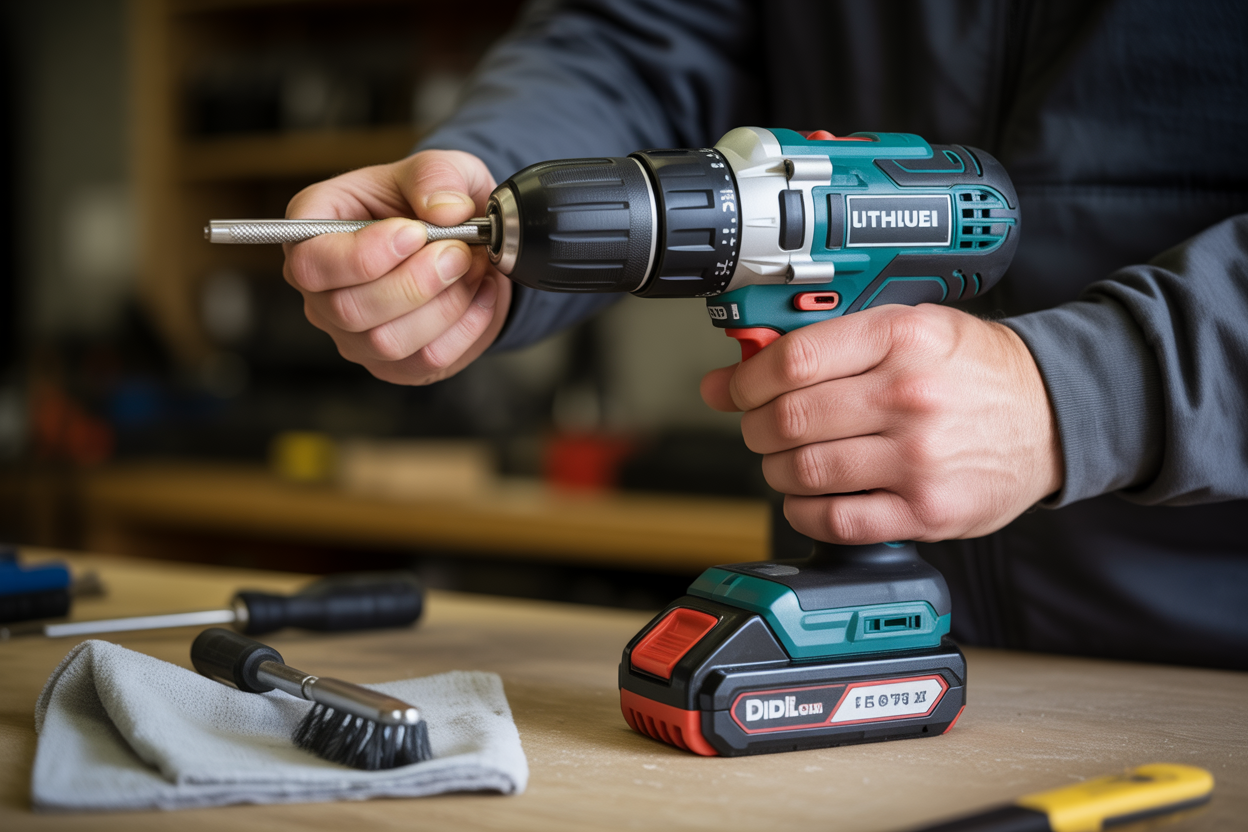
The first time my lithium battery drill1 refused to start, I thought it was done for. Turns out, it just needed a little attention. Over time, I’ve learned that most drill problems aren’t disasters—they’re just signals that something small needs fixing.
Common lithium drill problems include power loss, charging issues, motor overheating, and chuck slippage. Most can be solved by checking the battery connection, cleaning vents, tightening the chuck, and following regular maintenance routines.
If your drill is acting up, don’t panic. Let’s go step by step through the most common issues and how you can fix them before calling it quits.
Why Your Lithium Drill Won’t Start or Keeps Shutting Off
I’ve had mornings when my drill acted like it had a hangover—press the trigger, and nothing. Or it started, then died mid-job. Frustrating, right?
A lithium drill may not start or may shut off due to loose battery contacts, worn switches, overheating protection, or a damaged trigger. Check battery fit, inspect terminals, let the drill cool, and clean internal dust before assuming it's broken.
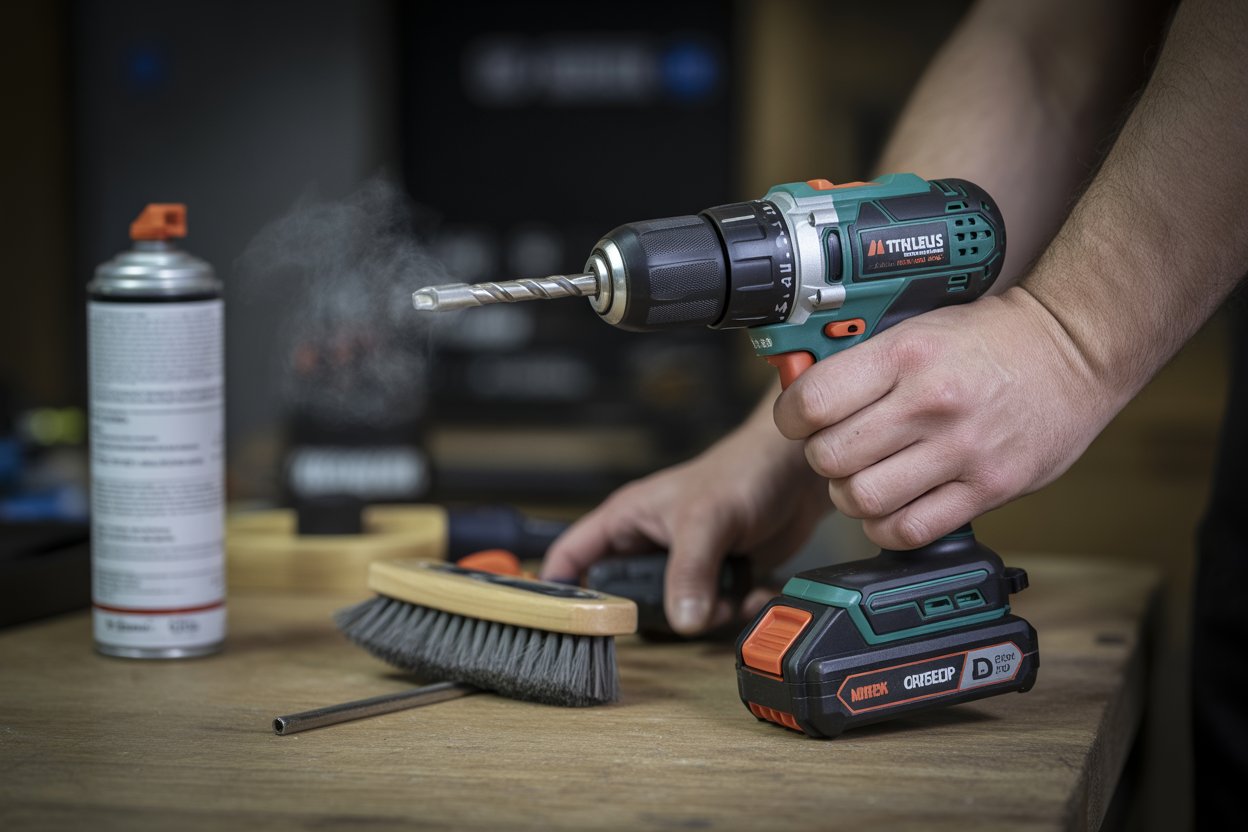
I still remember one winter job when my drill kept cutting out every 20 seconds. I was convinced the battery was dead, but later found out cold weather had triggered the overheat protection circuit—ironically, from being too cold.
When your drill refuses to start, think of it as your tool’s way of saying, “I need a minute.”
Common Causes and Quick Fixes
| Problem | Likely Cause | Solution |
|---|---|---|
| No power at all | Loose battery contacts | Remove and reinsert battery firmly |
| Drill stops mid-use | Overheat protection | Let it cool for 10–15 minutes |
| Weak trigger response | Dirty or worn trigger | Clean or replace switch |
| Sudden shut-off | Internal short or dust | Open casing and clean carefully |
It’s a bit like checking your car before a road trip—don’t assume the engine’s gone just because the dashboard light is on.
Battery Issues: Charging, Run‐Time Loss & What to Fix
If you’ve ever noticed your drill’s battery dying faster than your patience, you’re not alone. This one gets everyone.
Battery problems often come from improper charging, age, or extreme storage conditions. To fix short run-time, fully recharge, avoid deep discharges, store batteries at 40–60% charge, and replace packs that can’t hold voltage.
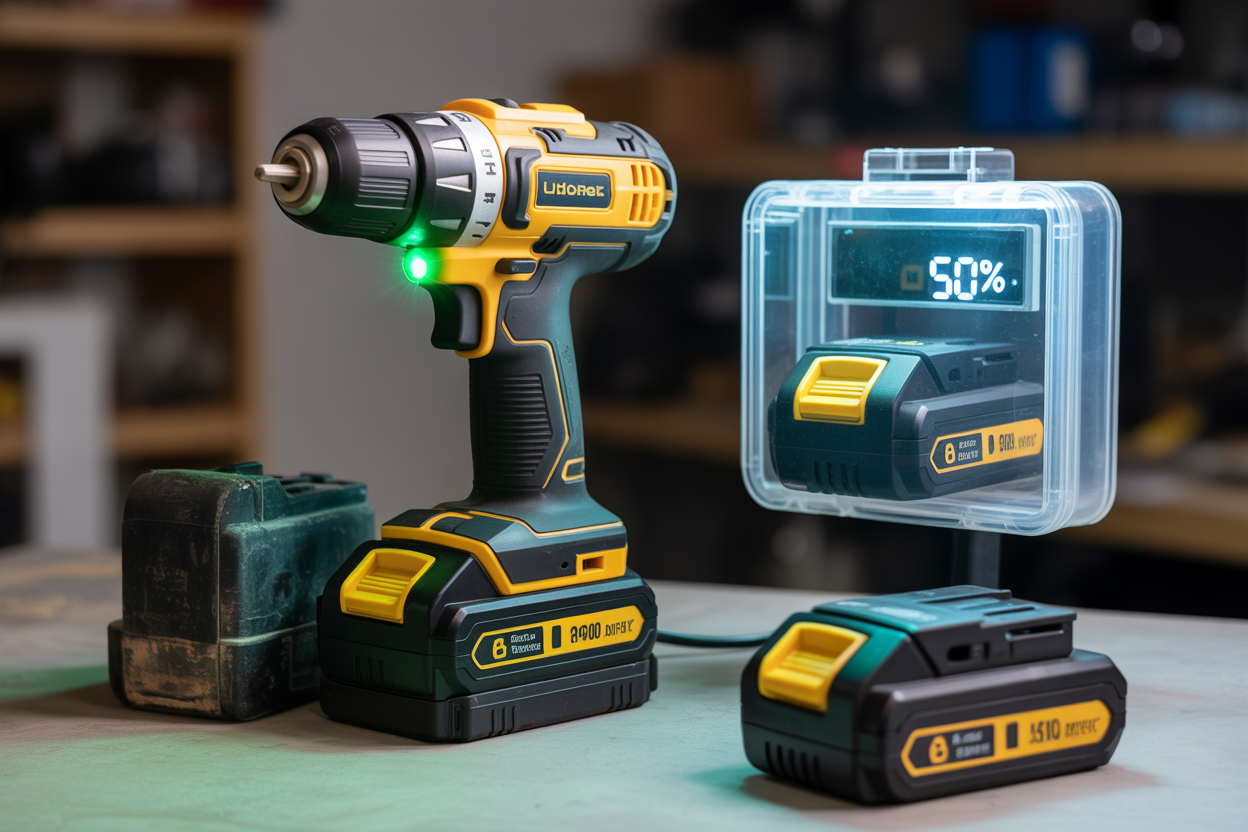
Once, during a late-night build, my drill barely lasted 10 minutes. The culprit? I had stored the batteries fully charged for months—something lithium packs2 hate.
Understanding Battery Behavior
Lithium batteries are moody little things. Too hot, too cold, too full—they protest.
Here’s what I learned through trial and error:
| Issue | Reason | Fix |
|---|---|---|
| Doesn’t charge | Dirty terminals or faulty charger | Clean terminals or test with another charger |
| Loses power fast | Cell aging | Replace battery pack |
| Won’t charge to 100% | Memory effect (rare but possible) | Recalibrate by full discharge and recharge once |
| Gets hot during charge | Overload or blocked vents | Charge in a ventilated space |
It’s like caring for a pet—you can’t ignore it for months and expect it to behave.
Motor, Chuck and Bit Problems: What’s Slowing Down Your Drill?
Ever felt your drill struggling, whining like it’s tired? That’s usually a sign something mechanical is off.
Motor slowdown in lithium drills is caused by dust buildup, dry bearings, or worn carbon brushes. Chuck slipping happens when bits aren’t seated tightly. Clean air vents, lubricate bearings, and tighten the chuck to restore power.
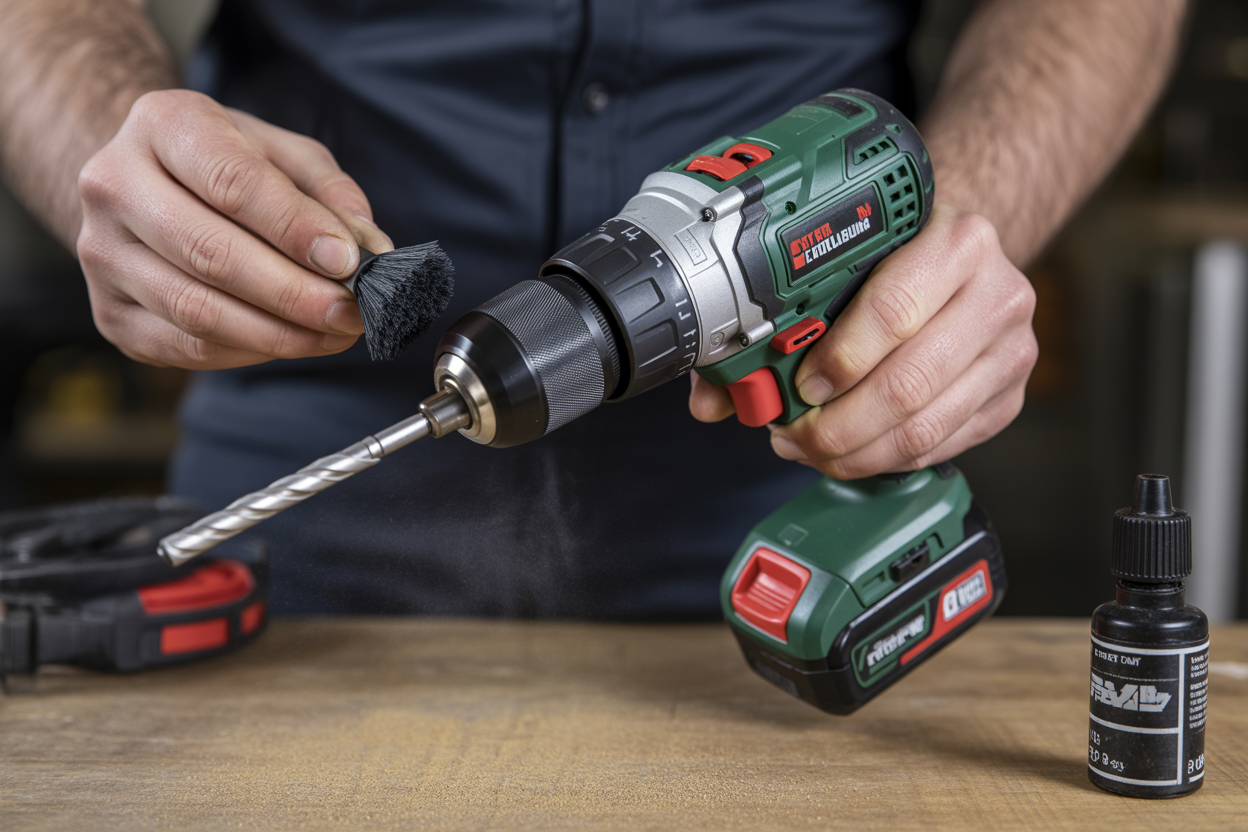
I once drilled through dense oak, and halfway in, the motor sounded like it was sighing in exhaustion. Turned out the vents were packed with sawdust—like a runner trying to breathe through a scarf.
Deep Dive: Getting Your Drill Back to Full Speed
When your drill slows down, start with the basics. Open the vents and give it a good cleaning. Use compressed air if you can. Then check the chuck—does it hold the bit firmly, or does it spin freely?
Signs Your Drill Needs Attention
- Bit slips when under pressure
- Motor pitch changes mid-drill
- A burning smell (never a good sign)
- Excessive vibration
If you notice any of those, stop and check before pushing further.
Regular lubrication keeps the gears happy. You can use a light machine oil—just a drop or two on the shaft and moving parts every few months. It’s amazing how much smoother it runs afterward.
Think of it like tuning a guitar—tiny adjustments make all the difference in how it performs.
Maintenance Habits That Prevent Future Drill Breakdowns
After years of dealing with sudden breakdowns, I’ve learned that prevention really is the secret weapon.
To keep your lithium drill running smoothly, clean it after each use, store it in a dry place, keep the battery3 half-charged, and check moving parts regularly for wear or debris. Simple habits extend tool life and reliability.
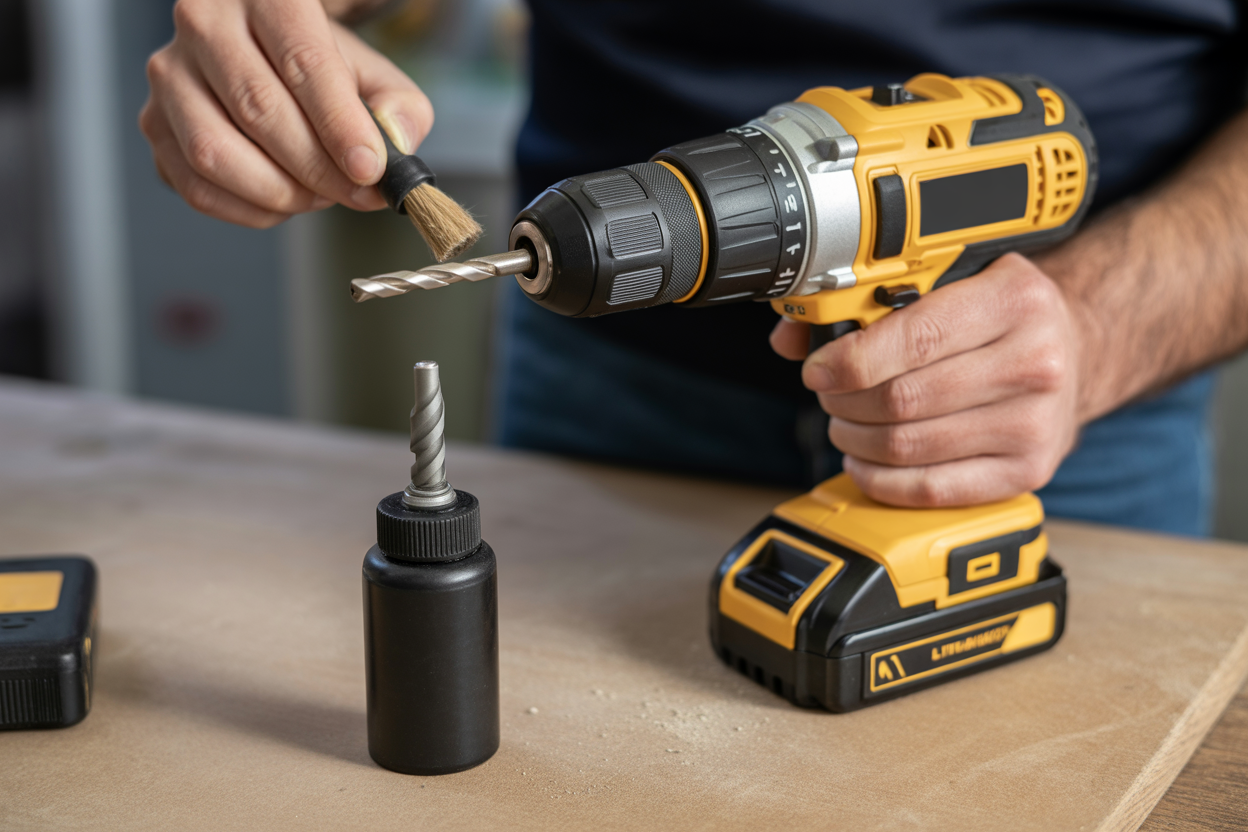
These days, I’ve made it part of my routine—like brushing teeth before bed. Five minutes of care saves me hours of frustration later.
My Go-To Maintenance Routine
| Task | Frequency | Why It Matters |
|---|---|---|
| Clean vents & chuck | After every use | Prevent overheating |
| Charge & rest battery | After use | Maintain power balance |
| Inspect screws & casing | Monthly | Avoid internal damage |
| Lubricate bearings | Every 3 months | Reduce friction |
I also store my drill in a fabric case with silica gel packs—keeps moisture away. It sounds nerdy, but it works.
Treat your drill like a business partner—reliable, clean, and ready to go when you are. Because when it fails, it doesn’t just cost time—it costs trust, and in our line of work, that’s everything.
Conclusion
Your lithium drill4 isn’t fragile—it just needs understanding. With a bit of care and quick troubleshooting, it’ll serve you faithfully for years. For more cordless solutions, visit YOUWE — cord free garden tools built for those who like to keep things simple and powerful.
-
Explore top brands to find a reliable lithium battery drill that suits your needs and enhances your projects. ↩
-
Explore this resource to learn essential tips for maintaining lithium packs, ensuring longevity and optimal performance of your tools. ↩
-
Explore this resource to learn essential tips for prolonging your lithium battery's lifespan and performance. ↩
-
Explore expert maintenance tips to ensure your drill operates efficiently and lasts longer. ↩